
La maladie de Crohn et son régime alimentaire approprié
Mrs. Fadwa Waleed Abdulqahar
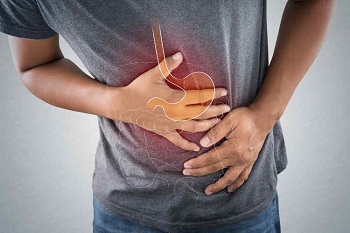
Crohn's disease is a non-communicable gastrointestinal disease that can be very painful and devastating, and can lead to life-threatening complications. It is a chronic inflammation of the lining of the digestive system, and it can affect any area of ??the digestive system from the mouth to the anus, but the walls of the last part of the small intestine or colon are most common. The cause of the disease is still unknown, as it was previously believed that the problem lies in diet and stress; But it turned out that these factors would worsen the condition and exacerbate its symptoms, but not the cause. There are factors that can contribute to the development of the case, including genetic factors that can increase the risk of disease. Immune factors may participate in this matter as a result of a problem in the patient’s immune system, causing bacteria to attack in the intestine.
Symptoms of this disease vary from person to person, ranging from mild to severe, and may occur suddenly or develop gradually which is the most frequent. Symptoms include abdominal pain, severe diarrhea accompanied by blood and mucus sometimes, high body temperature, mouth ulcers and intestinal scarring, fatigue, loss of appetite, anemia, weight loss, delay and poor growth in children. The patient must see a doctor in the following cases: blood in the stool accompanied by abdominal pain, persistent diarrhea without response to medication, mysterious fever for more than two days, unexplained weight loss. Complications of the disease include: abscess around the anus and inside the digestive system, anal fissures, anal fistula, stomach ulcers, inflammation in areas of the body such as inflammation in the joints, eyes and skin, blood clots including deep vein thrombosis, osteoporosis, kidney and gall stones, obstruction or narrowing of the intestine , Colon Cancer.
Till now, there is no cure for Crohn's disease, but symptoms and complications can be reduced with lifestyle changes and the use of certain medications such as immunosuppressants and anti-inflammatories such as corticosteroids. The patient may have to undergo surgery, often with only temporary benefits. Patients are advised to adhere to the doctor’s instructions and the prescribed medication, and to avoid stopping the medication when the symptoms are gone, or taking herbal preparations without consulting the doctor, as they may interfere with the prescribed medications.
There is no general diet for Crohn's patients, but in general it can be advised to follow a low-fiber diet, increase fluid intake, and avoid fast food. The nutritionist, in consultation with the supervising physician, designs a special diet for each patient, taking into account the following points:
• Avoiding foods that stimulate the emergence or exacerbation of symptoms of the disease, after they are identified, and a nutritionist is sought to replace them with appropriate options, and this varies from one patient to another. These foods help relieve symptoms of the disease and allow the intestines to recover from infections. Some foods that stimulate episodes of illness may be healthy foods, so they can be avoided during episodes, and then try to eat them in moderation during periods of remission. The patient can write down the food items he eats with notes on their effect on the episodes of the disease he is exposed to in a notebook that helps the specialist to guide him to the appropriate foods for his condition.
• There are many foods suitable for Crohn's patients, which the patient can eat in balanced quantities to compensate for the nutrients he lacked due to certain foods avoidance. The nutritionist or the attending physician can prescribe some nutritional supplements that the patient needs.
• Crohn's disease may reduce the ability of the intestine to absorb and thus reduce the use of food, especially since the inflammation of the intestine can affect its ability to absorb nutrients, and some patients may undergo surgery to remove part of their intestine, which may exacerbate the absorption problem.